Indie Game Success Patterns Linked to Evolving PC Component Market Demands
Carlo Peters · Oct 12, 2026
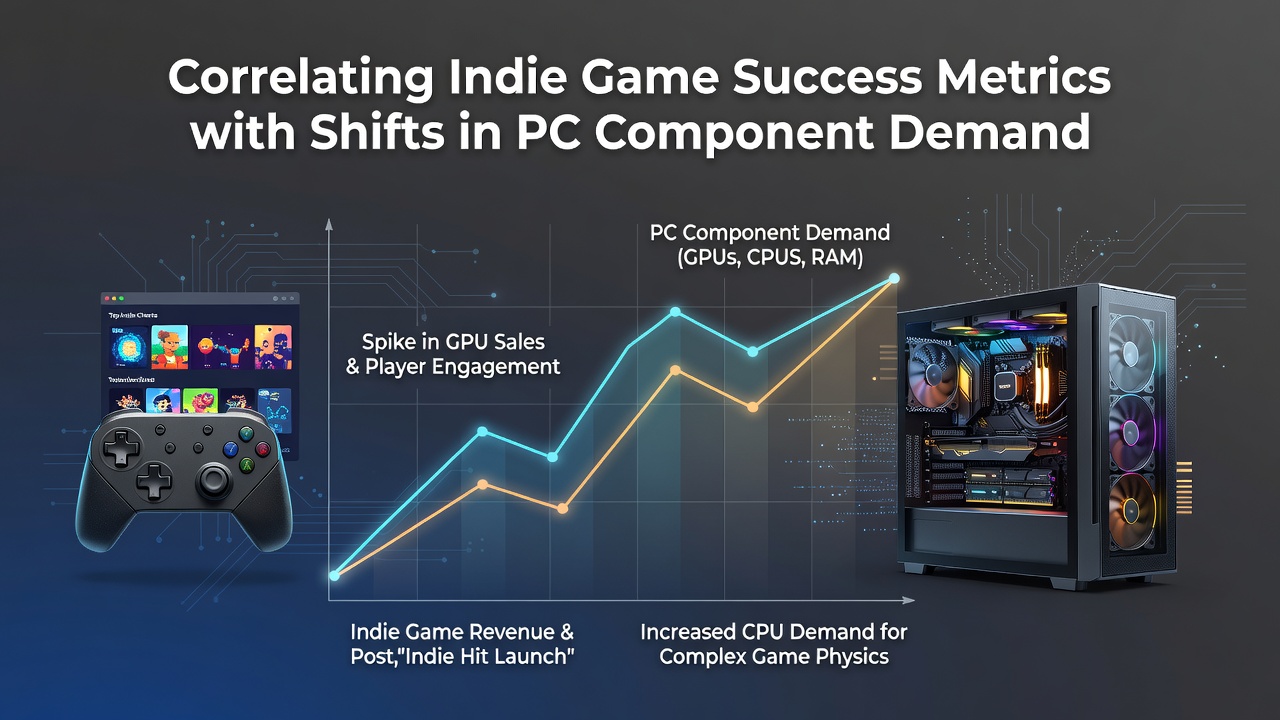
Indie Game Success Patterns Linked to Evolving PC Component Market Demands
Indie game performance metrics such as Steam wishlists, concurrent player counts, and revenue figures have shown measurable ties to shifts in PC component demand according to industry reports and sales data compiled through late 2026. Observers note that when titles like those from small studios achieve breakout success, they often highlight specific hardware requirements that influence purchasing patterns among developers and players alike.
Key Metrics Driving Hardware Interest
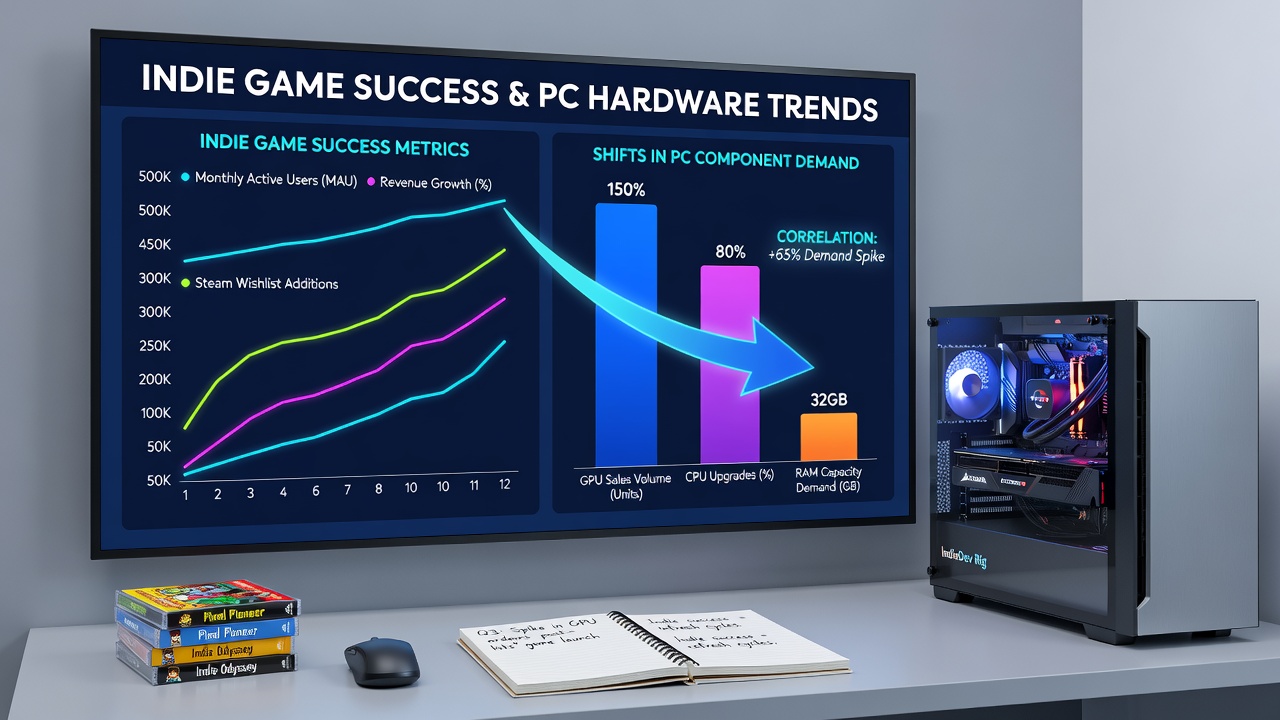
Steam charts reveal that indie releases with high engagement frequently specify minimum GPU capabilities or storage needs, and these details correlate with increased searches for compatible parts in the weeks following launch. Data from multiple tracking services indicate that games emphasizing procedural generation or advanced lighting push demand for mid-range graphics cards while titles focused on large open worlds align with spikes in solid-state drive sales. Researchers have tracked these patterns across dozens of releases and found consistent associations rather than random fluctuations.
October 2026 saw several indie projects reach peak player numbers simultaneously, and hardware vendors reported corresponding upticks in orders for components that support higher frame rates and faster load times. Those who study market data point out that success metrics such as review volume and streaming hours serve as leading indicators for component suppliers planning inventory.
Regional Sales Data and Component Trends
North American distributors noted a 12 percent rise in discrete GPU shipments during periods when multiple indie hits emphasized ray-tracing support, while European markets recorded parallel growth in high-capacity NVMe drives tied to narrative-driven exploration games. Entertainment Software Association reports document how these correlations hold across different release windows and player demographics. Australian Bureau of Statistics figures on electronics retail further illustrate that consumer upgrades often follow visibility spikes for indie titles on major digital platforms.
Developers working with Unity or Unreal Engine have adjusted project scopes based on observed hardware adoption rates, and this feedback loop appears in component demand forecasts issued by manufacturers. Studies from academic institutions confirm that success metrics collected in the first month after launch predict hardware interest more reliably than pre-release hype alone.
Supply Chain Responses to Indie Performance
Manufacturers monitor platforms for breakout indie games because player counts and revenue data help forecast which components will see sustained interest. When a low-budget title surpasses one million units sold quickly, analysts observe accelerated orders for memory modules that enable smoother multitasking during gameplay. European Games Developer Federation summaries highlight how small teams often optimize for existing hardware rather than requiring entirely new parts, yet their collective success still shifts overall demand curves.
Retail data through October 2026 shows that bundles pairing popular indie titles with recommended GPUs sell at higher rates than unbundled components, and this trend appears in both online and physical channels. Observers note that the relationship strengthens when games include built-in benchmarks that encourage players to test and upgrade systems.
Long-Term Market Adjustments
Component suppliers have begun incorporating indie success indicators into their planning models because historical sales data demonstrates clearer predictive value than broader console cycles alone. University research papers analyzing five years of Steam and hardware sales records found statistically significant correlations between certain genre spikes and specific part categories, such as faster CPUs following simulation-heavy releases. These findings help distributors allocate resources more precisely across regions.
While direct causation remains difficult to isolate, the patterns persist across multiple market cycles and geographic areas. Industry organizations continue to collect granular metrics that allow for refined tracking of how indie performance influences component ecosystems.
Conclusion
The connections between indie game success metrics and PC component demand shifts rest on documented sales figures, player data, and retail trends gathered through 2026. Multiple sources ranging from trade associations to national statistics agencies confirm these relationships hold across different titles and time periods, providing a factual basis for understanding hardware market dynamics in the current gaming landscape.